Play Smart, Stay Safe: Practical Outdoor Sports Safety Rules for Confident, Injury-Free Adventures
Outdoor sports feel best when preparation fades into the background and confidence takes over. A few consistent safety rules—before, during, and after activity—reduce the most common causes of injury: poor planning, preventable equipment issues, fatigue, heat/cold stress, and delayed response when something goes wrong. Use the guidance below as a repeatable routine for hiking, cycling, paddling, climbing, skiing, team field sports, and weekend adventures of all kinds.
Start with a simple safety baseline: plan, gear, body, environment
- Match the activity to current ability: choose routes, mileage, elevation, and technical difficulty that leave a margin for errors and weather changes.
- Know the environment: check forecast, daylight window, trail/river conditions, wildfire/avalanche alerts, and local rules before leaving. For hiking-specific guidance, the National Park Service hiking safety page is a reliable reference.
- Create a communication plan: tell someone where, when, and with whom; set a check-in time; carry a charged phone plus backup power when feasible.
- Pack essentials for the setting: hydration, calories, insulation layers, sun protection, lighting, navigation, first-aid basics, and a way to signal for help.
- Use a pre-start body check: sleep, fueling, hydration status, recent injuries, medications, and readiness to stop early if something feels off.
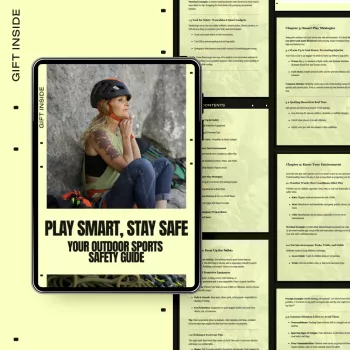
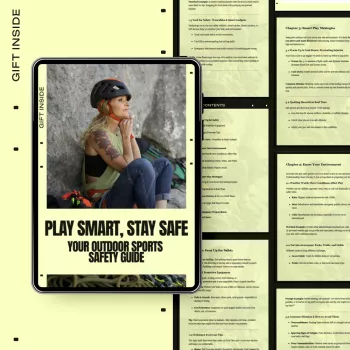
If you want a printable routine you can keep on your phone or pack, Play Smart, Stay Safe: Your Outdoor Sports Safety Guide turns these basics into a quick, repeatable checklist.
The pre-activity routine that prevents most problems
- Warm up with intent: 5–10 minutes of easy movement plus sport-specific drills (mobility, activation, light accelerations) before intensity.
- Hydrate early, not just during: arrive already hydrated; use thirst plus urine color as a practical check for many day activities.
- Fuel for the duration: for longer sessions, plan steady carbohydrates and electrolytes; avoid trying new foods on big days.
- Do an equipment safety scan: fasteners, straps, quick releases, tread/grip, brakes, helmet fit, pads, and any wear points.
- Set a “turnaround/stop rule”: define conditions that trigger stopping (pain spikes, weather shift, low light, low water/food, or worsening symptoms).
Pre-Activity Safety Check (2 minutes)
| Check |
What to look for |
Fix before starting |
| Weather & timing |
Storm risk, temperature swing, daylight remaining |
Shorten route, start earlier, add layers/lights |
| Hydration & electrolytes |
Dry mouth, cramping history, heat index |
Drink water, add electrolytes, adjust intensity |
| Footwear/traction |
Loose laces, worn tread, poor grip for terrain |
Retie/replace, choose appropriate shoe |
| Helmet & protective gear |
Proper fit, cracks, straps secure |
Adjust fit, replace damaged gear |
| Navigation & contact |
Offline map, battery, check-in plan |
Download map, bring power bank, text plan |
Protective gear that matters most (and how to use it correctly)
- Helmet basics: choose the right type for the sport; fit should be snug and level; replace after a significant impact or if expired by manufacturer guidance.
- Eye and face protection: sunglasses or goggles reduce UV exposure, debris impact, and wind irritation; use sport-appropriate lens tint and impact rating when needed.
- Hands, knees, and wrists: pads and gloves reduce abrasion, fractures, and sprains in higher-fall-risk sports (skating, MTB, climbing approaches, snow sports).
- Visibility: reflective elements and lights are safety equipment, not style; use front white light and rear red light for cycling at dusk/dawn and low-visibility conditions.
- Footwear and socks: prioritize fit, terrain-appropriate outsole, and blister prevention; change wet socks early to avoid hot spots and cold injury.
Heat, cold, altitude, and water: manage the environment, not just the sport
- Heat risk: plan earlier/later sessions, wear breathable clothing, increase fluids and electrolytes, and reduce intensity when heat index climbs. The CDC heat stress guidance is a solid starting point for recognizing and reducing heat strain.
- Recognize heat illness: cramps, headache, dizziness, nausea, confusion, and stopped sweating are red flags; stop, cool rapidly, and seek help if symptoms escalate.
- Cold exposure: use layered clothing, protect extremities, and watch for numbness, slurred speech, or poor coordination; wet clothing accelerates heat loss.
- Altitude: ascend gradually when possible, hydrate, avoid big intensity spikes on day one, and treat persistent headache, nausea, or unusual fatigue as a reason to descend.
- Water safety: wear a properly fitted life jacket for paddling/boating; understand cold-water shock; avoid solo water sessions when conditions are uncertain.
For hot-weather planning and gear decisions, Workout Gear Safety for Hot Weather provides a focused, practical system for heat-safe workouts.
Technique and pacing rules for fewer injuries
Group safety and situational awareness
What to do when something goes wrong: a calm, repeatable response
For step-by-step first aid refreshers, the American Red Cross first aid resources are a trusted reference.
Build the habit: a post-activity reset for safer next outings
FAQ
What are the most important outdoor safety rules to follow every time?
Check weather and timing, share a route and check-in plan, bring essentials (water, food, layers, light, navigation, first aid), confirm protective gear fits correctly, and set a clear turnaround/stop rule before you start.
How can heat-related illness be prevented during outdoor workouts and sports?
Train during cooler hours, build heat exposure gradually, drink fluids plus electrolytes, wear breathable clothing, and take cooling breaks in shade. At the first signs of dizziness, nausea, or confusion, stop and cool down immediately.
When should an injury or symptom be treated as an emergency outdoors?
Call for urgent help if there’s confusion, fainting, uncontrolled bleeding, suspected fracture with deformity, chest pain, breathing trouble, signs of heat stroke, or rapidly worsening symptoms. If the person can’t safely bear weight or can’t stay warm and alert, treat it as an emergency.
Recommended for you











Leave a comment