HomeBlogBlogAI Baby Sleep Tracking: Safer Routines for Better Rest

AI Baby Sleep Tracking: Safer Routines for Better Rest

AI Baby Sleep Tracking: Safer Routines for Better Rest

Sleep Smarter, Baby Softer: Practical AI Sleep Tracking Ideas for Newborns and Toddlers

Better sleep starts with safer routines, realistic expectations, and a simple way to notice patterns. AI sleep tracking can help parents spot timing, soothing, and environment factors that affect naps and nights—without turning sleep into a stressful numbers game. This guide focuses on newborns through toddlers, pairing safe-sleep basics with actionable tracking ideas and gentle routine upgrades. For more guidance, see Helping baby sleep through the night – Mayo Clinic.

What AI sleep tracking can (and can’t) do for baby sleep

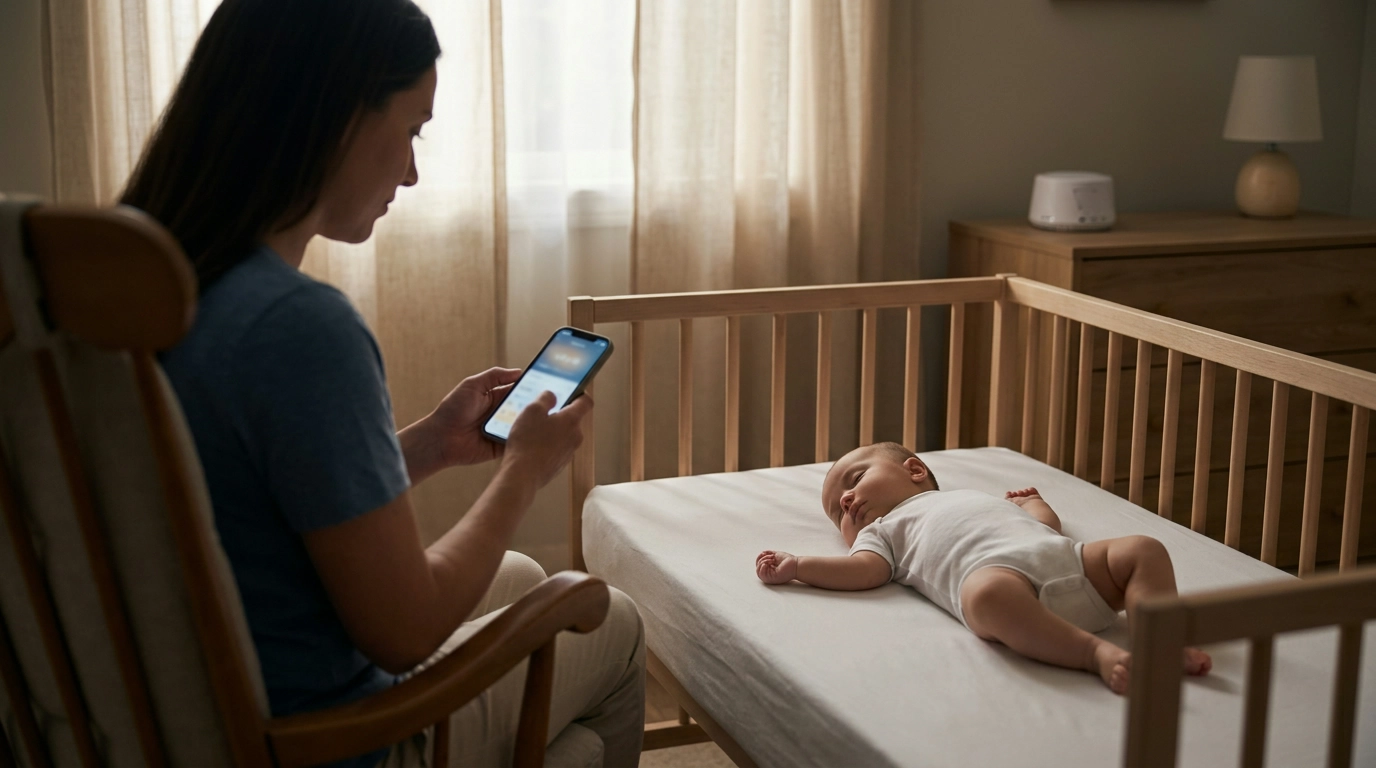
Used well, AI-powered sleep logs and smart summaries are less about “perfect sleep” and more about quickly seeing what repeats. Over a week or two, patterns often pop out: the nap that runs late, the wake time that clusters, or the soothing step that turns into a must-have at 2 a.m. For further reading, see 15 baby sleep tips: A guide for the science-minded parent.

  • Helps reveal patterns: common wake windows, typical nap lengths, and recurring wake-up times.
  • Highlights likely triggers: late naps, inconsistent bedtime, noise/light changes, or feeding timing.
  • Supports consistency: reminders for wind-down routines and suggested bed/nap windows based on history.
  • Doesn’t replace safe sleep guidance or medical advice: especially for breathing, reflux concerns, or growth issues.
  • Accuracy varies: treat insights as clues to test, not absolute truth.

Safety first: non-negotiables to check before tracking anything

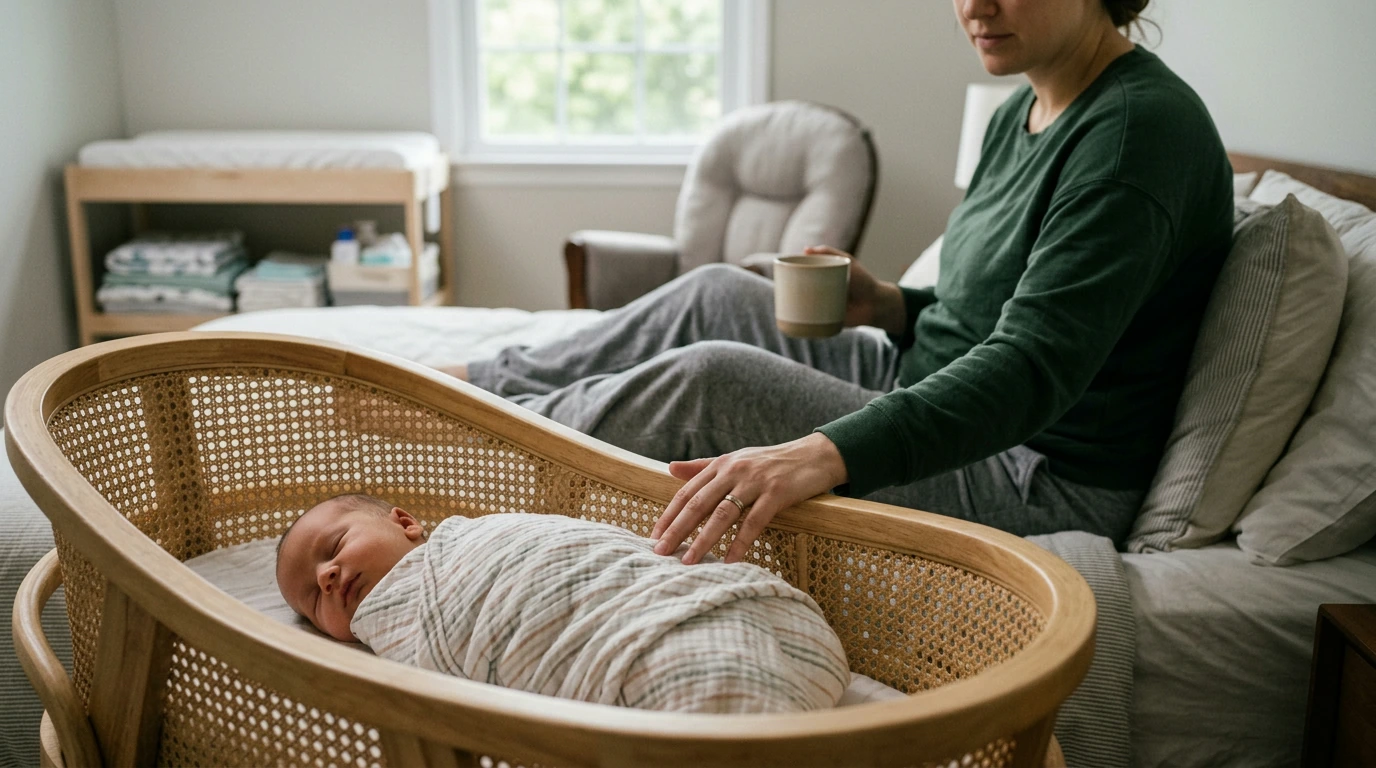
Before any app settings or sensors, the safest sleep setup comes first. Consumer trackers can be useful for behavior trends, but they are not medical devices.

  • Use a firm, flat sleep surface with a fitted sheet; keep the sleep area free of loose bedding and soft items.
  • Place baby on their back for sleep (for infants), and follow age-appropriate safe sleep practices.
  • Avoid using consumer trackers as medical devices; rely on caregivers and clinicians for health concerns.
  • Keep cords, straps, and devices away from the sleep space to prevent entanglement hazards.
  • If baby has persistent snoring, pauses in breathing, poor weight gain, or extreme sleepiness, contact a pediatric clinician.

For safe sleep guidance, refer to the American Academy of Pediatrics safe sleep recommendations and the CDC safe sleep resources.

Set up a simple tracking plan (so it stays sustainable)

The most helpful tracking is the kind that actually gets done. A short, consistent baseline beats a perfect spreadsheet that lasts two days.

  • Pick 3–5 signals to track for 7–14 days: sleep start/end, night wakes, feed times, and one environment note (light/noise/temperature).
  • Define what counts as a wake: brief fussing vs. fully awake requiring caregiver help.
  • Log interventions used: rocking, feeding, pacifier, patting, check-ins, or room sharing changes.
  • Keep notes short: a one-line “why” (teething, travel, vaccines, daycare shift).
  • Review trends every few days rather than hour-by-hour; focus on repeatable patterns.

Newborn (0–3 months): tracking ideas that reduce guesswork

In the newborn stage, sleep is irregular by design. The win is often separating “needs” from “habits” and preventing overtired spirals.

  • Track feed-to-sleep patterns: note whether wakes align with feeding needs or comfort needs.
  • Watch day/night mix-ups: log daytime light exposure and wakeful periods after evening hours.
  • Build a micro-routine: feed, brief upright time, diaper check, then a consistent sleep cue (song, swaddle if appropriate, dim light).
  • Look for overtired loops: very long awake stretches often lead to shorter, more fragmented sleep.
  • Aim for calm, not “perfect”: use tracking to identify the easiest improvements (earlier wind-down, quieter room, simpler soothing sequence).

Infant (4–11 months): using insights to support longer stretches

With more predictable naps and longer night stretches possible, AI summaries can help pinpoint what’s interrupting sleep: timing, associations, or developmental shifts.

Toddler (12+ months): tracking behavior, boundaries, and environment

Turning AI insights into gentle experiments (without overhauling everything)

Quick Sleep-Tracking Log (example)

What to Record Examples How to Use It
Sleep start/end 7:40 pm–6:10 am Spot consistent bedtime/wake time windows
Night wakes (caregiver help?) 1:10 am (fed), 4:30 am (rocked) Identify recurring wake times and associations
Naps 9:30–10:15, 1:20–2:35 Balance total daytime sleep with bedtime ease
Feeds 6:45 pm, 1:15 am Distinguish hunger wakes vs. habit wakes
Context note Teething, travel, daycare late nap Avoid overreacting to one-off disruptions

Common pitfalls to avoid with baby sleep tracking

Using the guide: templates, prompts, and routine building blocks

Recommended download: Sleep Smarter, Baby Softer: AI Baby Sleep Tracking Ideas Guide for Parents, Newborns, and Toddlers.

For families balancing sleep goals with active daytime routines, you may also like Play Smart, Stay Safe: Your Outdoor Sports Safety Guide and Workout Gear Safety for Hot Weather.

FAQ

Is AI baby sleep tracking safe to use?

It can be safe when used as a behavioral pattern tool, not a medical monitor. Keep cords and devices away from the sleep space, and stick to safe-sleep setups (firm, flat surface; no loose items). For health concerns, rely on a pediatric clinician.

How long should a parent track sleep before making changes?

Track 7–14 days to establish a baseline, then test one change at a time for 3–5 days to see a trend. If there’s an obvious schedule issue (like a consistently late nap), a small adjustment sooner can be reasonable.

What should be tracked for newborns versus toddlers?

Newborn tracking works best when focused on feeds, day/night exposure, brief routines, and avoiding overly long awake stretches. Toddler tracking is more about nap timing, bedtime boundaries, environment (light/noise/temperature), and screen timing before bed.


Was this article helpful?

Yes No
Leave a comment
Top

Shopping cart

×